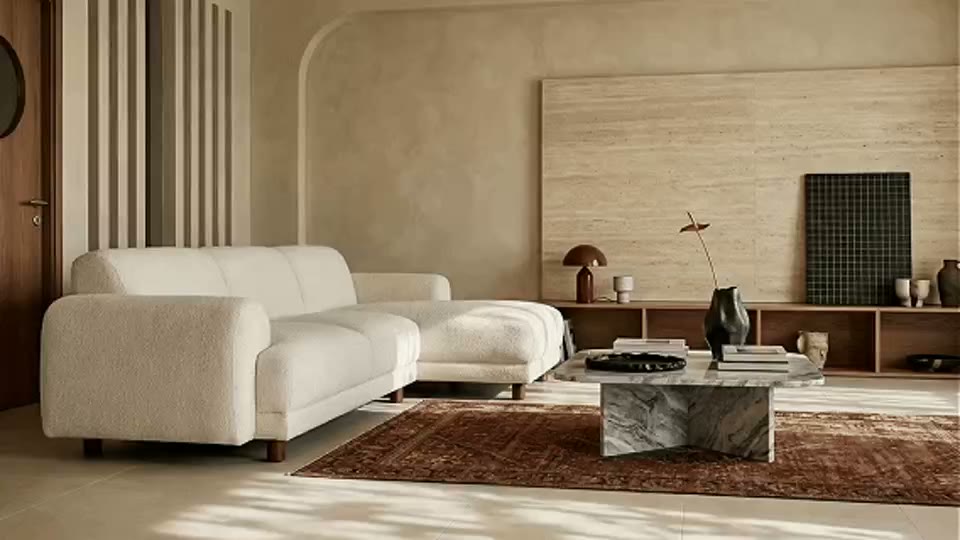
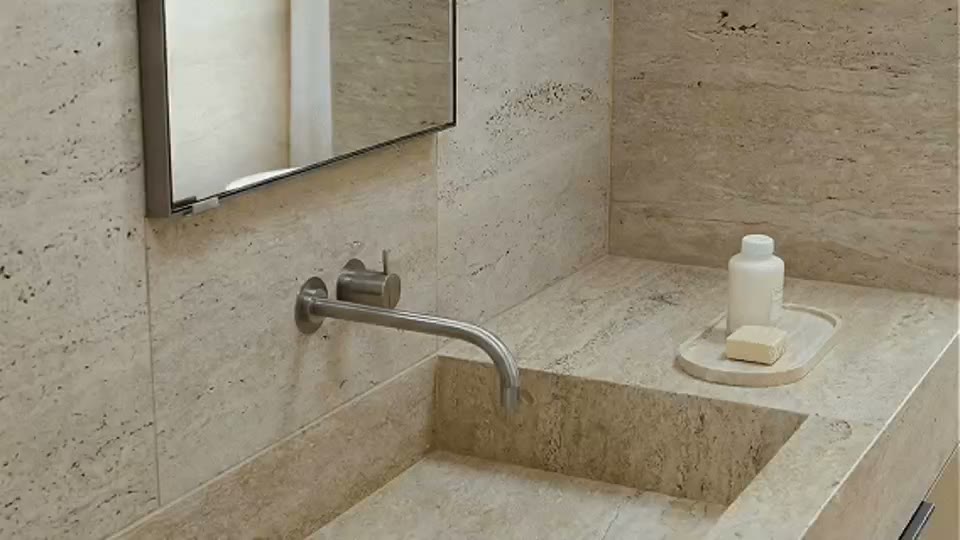
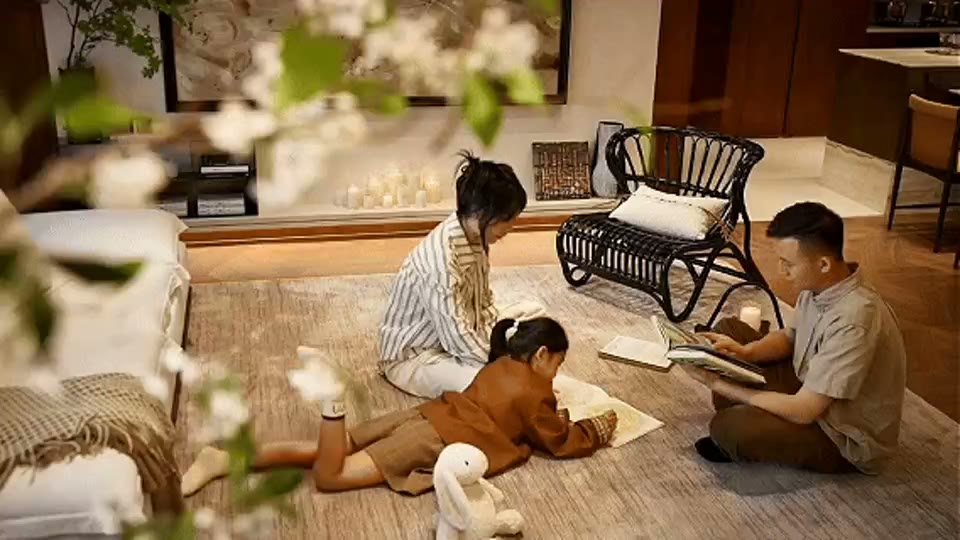
Decision supported
Use lateral camera movement and viewpoint change to reveal how a person, furnishing, or scene focus relates to its surroundings.

ARK AI DESIGN SKILL · AI camera orbit video
Use lateral camera movement and viewpoint change to reveal how a person, furnishing, or scene focus relates to its surroundings.
The demo could not be loaded. The preview and page remain available.
Capability
Use lateral camera movement and viewpoint change to reveal how a person, furnishing, or scene focus relates to its surroundings.
A single image lacks rear and occluded information, so the model infers new views; people, furniture, printed text, edges, and background relationships may drift. The result is not an exact 3D orbit path, proof of every product angle, a person digital double, or a real camera trajectory.
Use lateral camera movement and viewpoint change to reveal how a person, furnishing, or scene focus relates to its surroundings.
A single image lacks rear and occluded information, so the model infers new views; people, furniture, printed text, edges, and background relationships may drift.
Set a first frame, optional last frame, orbit prompt, and video ratio; production currently outputs 5 seconds at 720p.
The result is not an exact 3D orbit path, proof of every product angle, a person digital double, or a real camera trajectory.
Prepare the input
Clear source material and an explicit design objective give the model better evidence to work from. Use these checks before generation.
a first frame with a clear subject, optional last frame, and orbit prompt Choose a first frame with a complete subject silhouette, clear background separation, and room for camera movement.
First-frame image, Last-frame image (optional), Prompt, Video ratio, Video duration, Video resolution
Set a first frame, optional last frame, orbit prompt, and video ratio; production currently outputs 5 seconds at 720p.
The result is not an exact 3D orbit path, proof of every product angle, a person digital double, or a real camera trajectory.
How to use
Keep the first pass exploratory, compare alternatives, then carry the selected direction into the rest of the project.
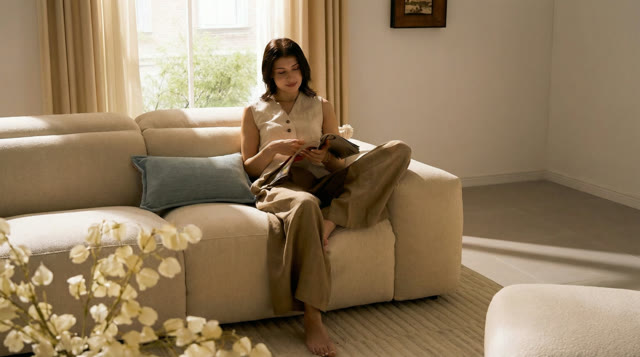
Also prepare:Last-frame image (optional) / Prompt
Choose a first frame with a complete subject silhouette, clear background separation, and room for camera movement. Prepare these inputs: First-frame image, Last-frame image (optional), Prompt. Include optional inputs when needed.
Set Video ratio, Video duration, Video resolution for this task, then confirm before generating.
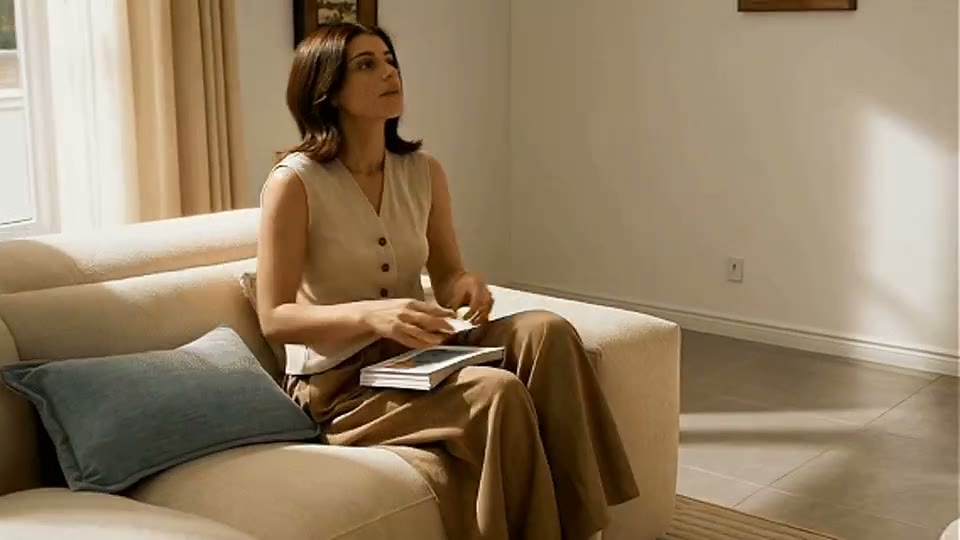
Set a first frame, optional last frame, orbit prompt, and video ratio; production currently outputs 5 seconds at 720p. a 5-second 720p camera-orbit video The result is not an exact 3D orbit path, proof of every product angle, a person digital double, or a real camera trajectory.
Official skill demo
This example is published for this exact skill. It is shown as one complete official reference, not as an independently verified input/output pair or a promised result for your upload.
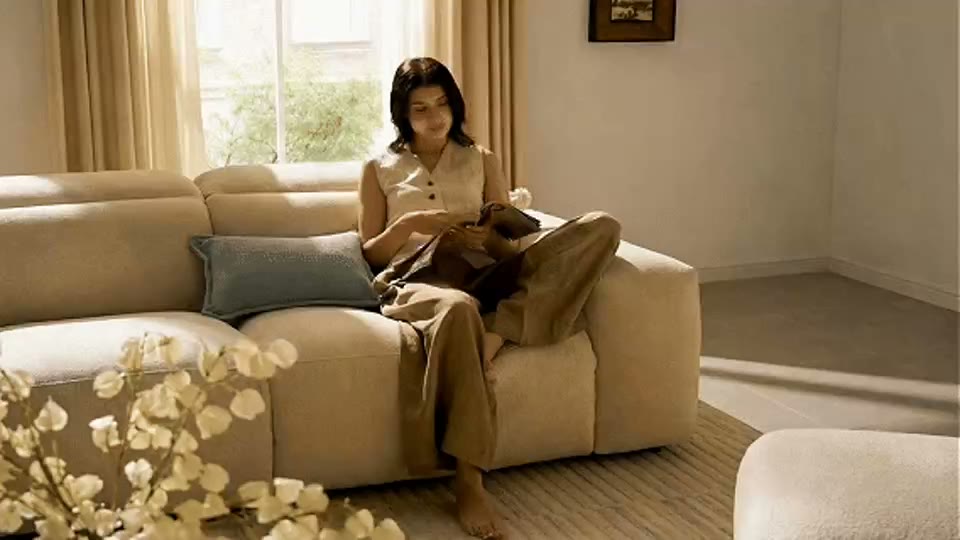
What the AI reads
A single image lacks rear and occluded information, so the model infers new views; people, furniture, printed text, edges, and background relationships may drift.
The result is not an exact 3D orbit path, proof of every product angle, a person digital double, or a real camera trajectory.
Practical guidance
Choose a first frame with a complete subject silhouette, clear background separation, and room for camera movement.
First-frame image, Last-frame image (optional), Prompt, Video ratio, Video duration, Video resolution
Use lateral camera movement and viewpoint change to reveal how a person, furnishing, or scene focus relates to its surroundings.
The result is not an exact 3D orbit path, proof of every product angle, a person digital double, or a real camera trajectory.
Where it helps
Use a 5-second 720p camera-orbit video to support character-in-scene clips while retaining the stated review boundary.
Use a 5-second 720p camera-orbit video to support furniture focus shots while retaining the stated review boundary.
Use a 5-second 720p camera-orbit video to support spatial storytelling while retaining the stated review boundary.
Use a 5-second 720p camera-orbit video to support concept video previews while retaining the stated review boundary.
Workflow comparison
AI speeds up visual exploration, while established professional workflows remain responsible for verified facts and final delivery.
| Decision point | AI Camera Orbit Video | Conventional workflow |
|---|---|---|
| Input | a first frame with a clear subject, optional last frame, and orbit prompt | Verified project files and production data |
| Iteration | Generate and compare a visual direction quickly | Build and revise each option through the relevant specialist workflow |
| Evidence | A single image lacks rear and occluded information, so the model infers new views; people, furniture, printed text, edges, and background relationships may drift. | Dimensions, specifications, source files, and professional review |
| Output role | a 5-second 720p camera-orbit video | A verified deliverable for approval or production |
The result is not an exact 3D orbit path, proof of every product angle, a person digital double, or a real camera trajectory.
FAQ
a first frame with a clear subject, optional last frame, and orbit prompt Choose a first frame with a complete subject silhouette, clear background separation, and room for camera movement.
First-frame image, Last-frame image (optional), Prompt, Video ratio, Video duration, Video resolution
This section uses the production skill’s official demo and official cover to explain the interaction and capability range. The cover is not a user-uploaded source and the media is not presented as a strictly matched before-and-after pair.
The result is not an exact 3D orbit path, proof of every product angle, a person digital double, or a real camera trajectory.
Ark AI
Start with real project material, compare a few directions, and keep developing the selected result in the Ark AI canvas.