Decision supported
Use walking, looking, or subtle action to communicate scale and use, adding motion cues to hospitality, residential, and retail experience stories.

ARK AI DESIGN SKILL · AI person interior interaction video
Use walking, looking, or subtle action to communicate scale and use, adding motion cues to hospitality, residential, and retail experience stories.
The demo could not be loaded. The preview and page remain available.
Capability
Use walking, looking, or subtle action to communicate scale and use, adding motion cues to hospitality, residential, and retail experience stories.
The model infers body motion and occlusion from still imagery; face, hands, clothing, gait, and contact with furniture may be inconsistent. The video is not proof of performer consent, accessibility testing, ergonomics analysis, evacuation simulation, or exact circulation validation.
Use walking, looking, or subtle action to communicate scale and use, adding motion cues to hospitality, residential, and retail experience stories.
The model infers body motion and occlusion from still imagery; face, hands, clothing, gait, and contact with furniture may be inconsistent.
Set a first frame, optional last frame, action prompt, and ratio; production currently outputs 5 seconds at 720p.
The video is not proof of performer consent, accessibility testing, ergonomics analysis, evacuation simulation, or exact circulation validation.
Prepare the input
Clear source material and an explicit design objective give the model better evidence to work from. Use these checks before generation.
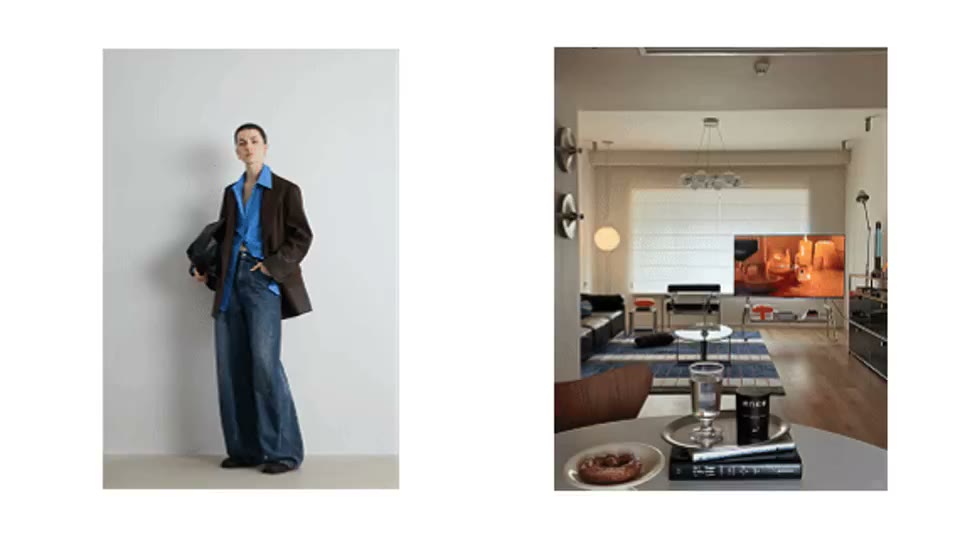
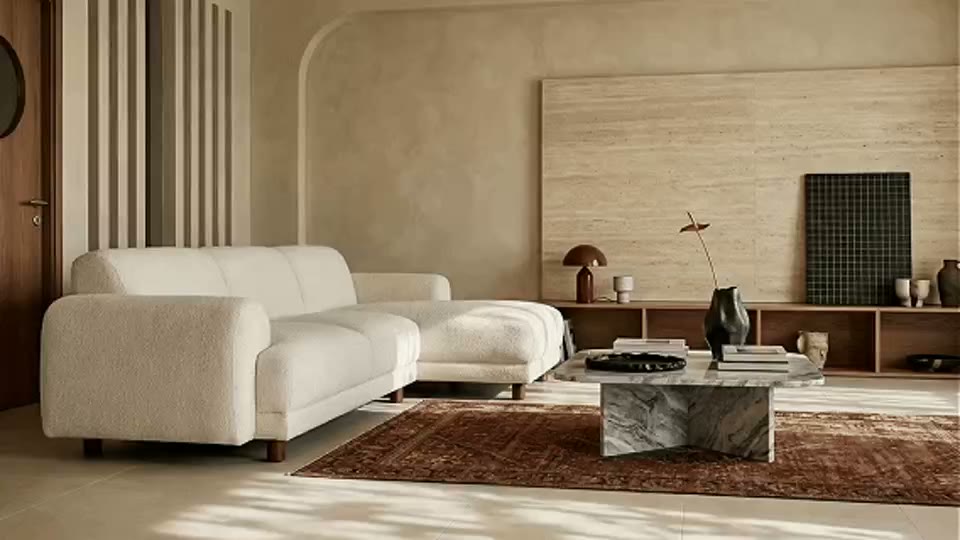
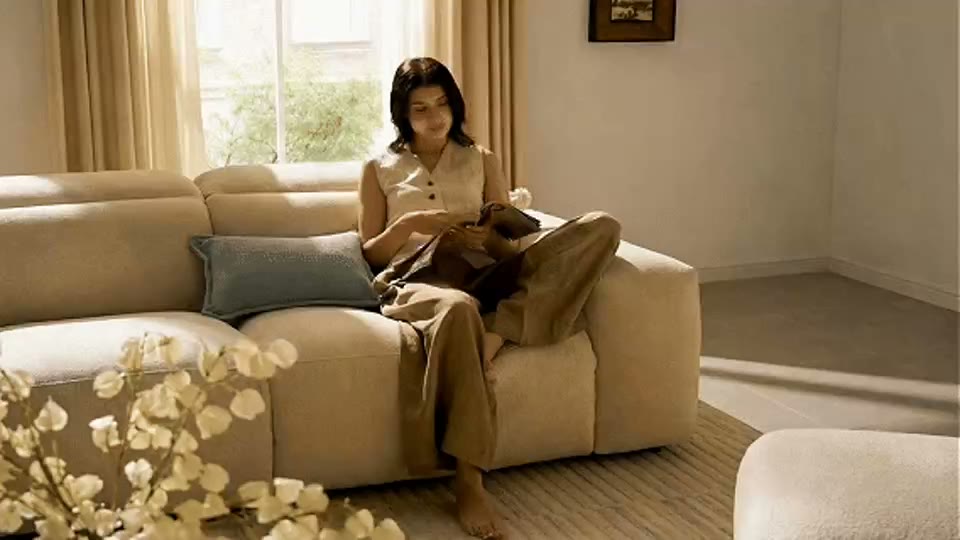
a first frame showing a person-space relationship, optional last frame, and action prompt Use a first frame with the person’s full body or key limbs visible, stable perspective, and an unobstructed action path.
First-frame image, Last-frame image (optional), Prompt, Video ratio, Video duration, Video resolution
Set a first frame, optional last frame, action prompt, and ratio; production currently outputs 5 seconds at 720p.
The video is not proof of performer consent, accessibility testing, ergonomics analysis, evacuation simulation, or exact circulation validation.
How to use
Keep the first pass exploratory, compare alternatives, then carry the selected direction into the rest of the project.

Also prepare:Last-frame image (optional) / Prompt
Use a first frame with the person’s full body or key limbs visible, stable perspective, and an unobstructed action path. Prepare these inputs: First-frame image, Last-frame image (optional), Prompt. Include optional inputs when needed.
Set Video ratio, Video duration, Video resolution for this task, then confirm before generating.
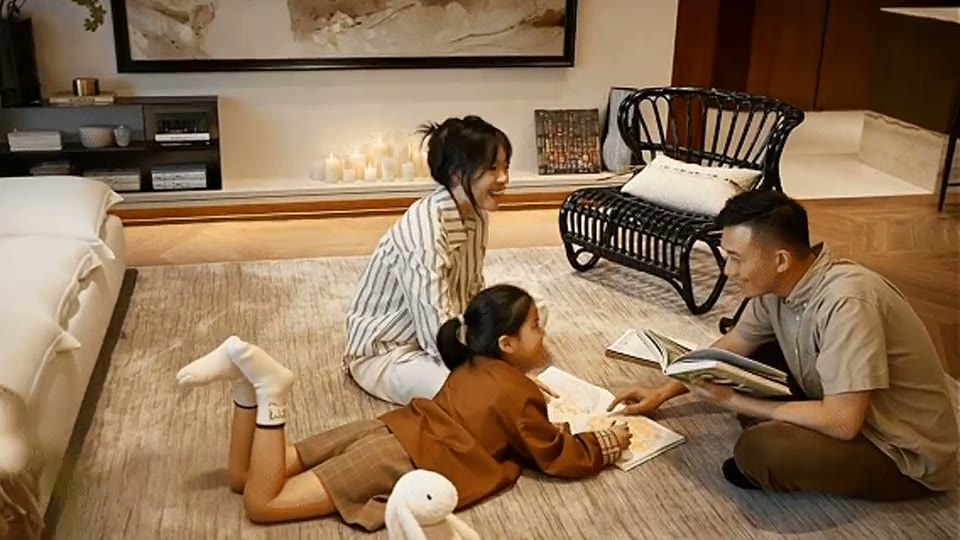
Set a first frame, optional last frame, action prompt, and ratio; production currently outputs 5 seconds at 720p. a 5-second 720p person-interior interaction video The video is not proof of performer consent, accessibility testing, ergonomics analysis, evacuation simulation, or exact circulation validation.
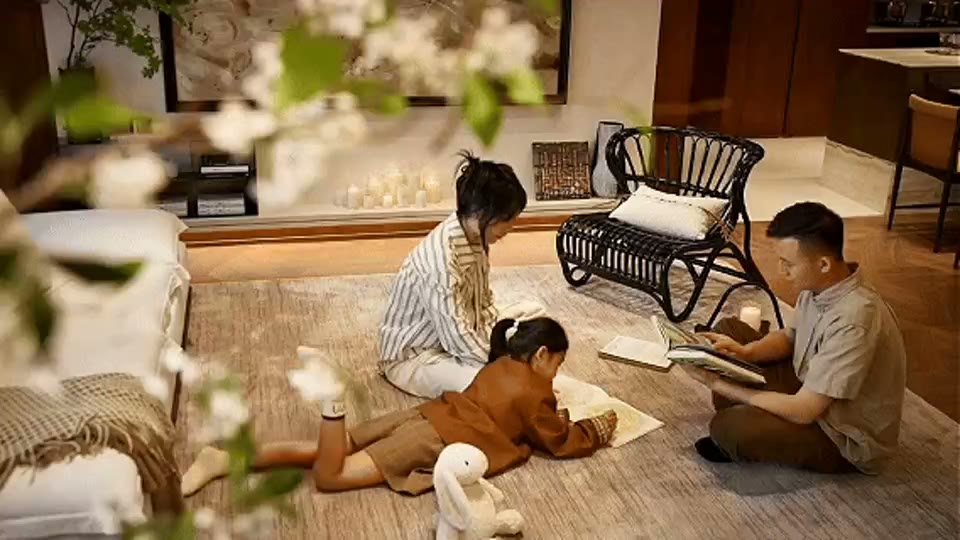
Official skill demo
This example is published for this exact skill. It is shown as one complete official reference, not as an independently verified input/output pair or a promised result for your upload.
What the AI reads
The model infers body motion and occlusion from still imagery; face, hands, clothing, gait, and contact with furniture may be inconsistent.
The video is not proof of performer consent, accessibility testing, ergonomics analysis, evacuation simulation, or exact circulation validation.
Practical guidance
Use a first frame with the person’s full body or key limbs visible, stable perspective, and an unobstructed action path.
First-frame image, Last-frame image (optional), Prompt, Video ratio, Video duration, Video resolution
Use walking, looking, or subtle action to communicate scale and use, adding motion cues to hospitality, residential, and retail experience stories.
The video is not proof of performer consent, accessibility testing, ergonomics analysis, evacuation simulation, or exact circulation validation.
Where it helps
Use a 5-second 720p person-interior interaction video to support hospitality experience clips while retaining the stated review boundary.
Use a 5-second 720p person-interior interaction video to support residential space stories while retaining the stated review boundary.
Use a 5-second 720p person-interior interaction video to support retail scene previews while retaining the stated review boundary.
Use a 5-second 720p person-interior interaction video to support conceptual movement studies while retaining the stated review boundary.
Workflow comparison
AI speeds up visual exploration, while established professional workflows remain responsible for verified facts and final delivery.
| Decision point | AI Person-Interior Interaction Video | Conventional workflow |
|---|---|---|
| Input | a first frame showing a person-space relationship, optional last frame, and action prompt | Verified project files and production data |
| Iteration | Generate and compare a visual direction quickly | Build and revise each option through the relevant specialist workflow |
| Evidence | The model infers body motion and occlusion from still imagery; face, hands, clothing, gait, and contact with furniture may be inconsistent. | Dimensions, specifications, source files, and professional review |
| Output role | a 5-second 720p person-interior interaction video | A verified deliverable for approval or production |
The video is not proof of performer consent, accessibility testing, ergonomics analysis, evacuation simulation, or exact circulation validation.
FAQ
a first frame showing a person-space relationship, optional last frame, and action prompt Use a first frame with the person’s full body or key limbs visible, stable perspective, and an unobstructed action path.
First-frame image, Last-frame image (optional), Prompt, Video ratio, Video duration, Video resolution
This section uses the production skill’s official demo and official cover to explain the interaction and capability range. The cover is not a user-uploaded source and the media is not presented as a strictly matched before-and-after pair.
The video is not proof of performer consent, accessibility testing, ergonomics analysis, evacuation simulation, or exact circulation validation.
Ark AI
Start with real project material, compare a few directions, and keep developing the selected result in the Ark AI canvas.