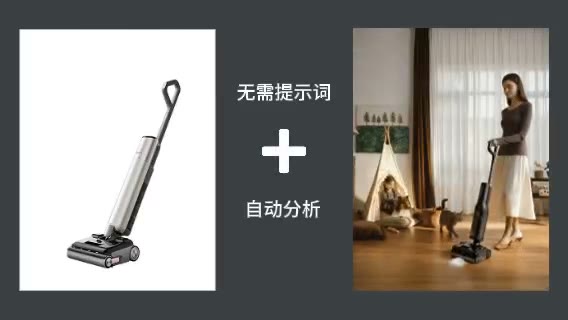
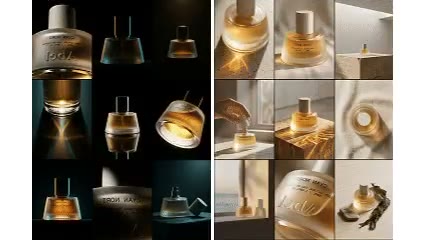
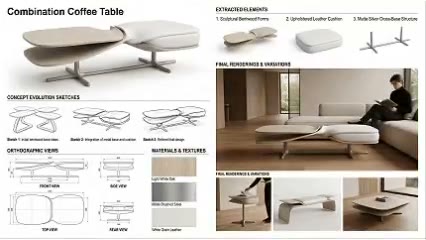
Expand scenes in batches
Compare multiple space types and visual styles.

ARK AI DESIGN SKILL · AI product scene generator
Explore residential and commercial settings around one item or group to judge visual fit and expand brand-content directions.
The demo could not be loaded. The preview and page remain available.
Capability
Explore residential and commercial settings around one item or group to judge visual fit and expand brand-content directions.
The AI regenerates backgrounds, grounding, and light, so product shape, count, material, proportion, labels, and small parts may change. Before marketing use, compare shape, color, material, quantity, and branding with the real product so generated differences do not become false claims.
Compare multiple space types and visual styles.
See how the same product behaves in residential and commercial contexts.
Prepare more options for ecommerce, social, and channel proposals.
Develop one brand language around an item or coordinated set.
Prepare the input
Clear source material and an explicit design objective give the model better evidence to work from. Use these checks before generation.
Start with a clear image of one product or a coordinated furniture set. Use a clean product composition with clear quantities, minimal overlap, and readable scale relationships.
The production skill provides Upload Product Images, Storyboard Grid.
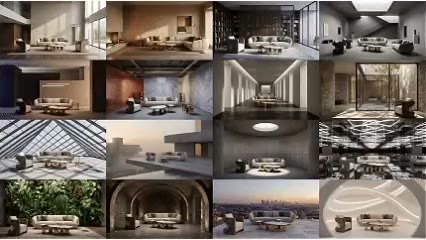
Start with a single product or multiple products and use the storyboard grid to create scenes across different styles and spaces.
Before marketing use, compare shape, color, material, quantity, and branding with the real product so generated differences do not become false claims.
How to use
Keep the first pass exploratory, compare alternatives, then carry the selected direction into the rest of the project.
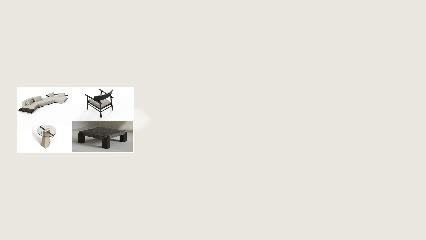
Use a clean product composition with clear quantities, minimal overlap, and readable scale relationships. Prepare these inputs: Upload Product Images. Include optional inputs when needed.
Set Storyboard Grid for this task, then confirm before generating.
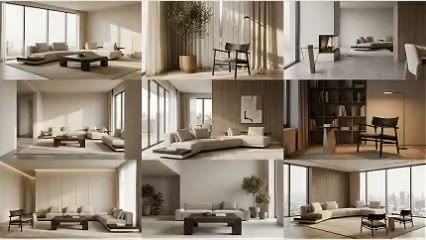
Start with a single product or multiple products and use the storyboard grid to create scenes across different styles and spaces. Check the result against the source material. Before marketing use, compare shape, color, material, quantity, and branding with the real product so generated differences do not become false claims.
Official skill demo
This example is published for this exact skill. It is shown as one complete official reference, not as an independently verified input/output pair or a promised result for your upload.
What the AI reads
The AI regenerates backgrounds, grounding, and light, so product shape, count, material, proportion, labels, and small parts may change.
Before marketing use, compare shape, color, material, quantity, and branding with the real product so generated differences do not become false claims.
Practical guidance
Use a clean product composition with clear quantities, minimal overlap, and readable scale relationships.
This skill provides Upload Product Images, Storyboard Grid; select only the settings needed for the current decision.
The AI regenerates backgrounds, grounding, and light, so product shape, count, material, proportion, labels, and small parts may change.
Before marketing use, compare shape, color, material, quantity, and branding with the real product so generated differences do not become false claims.
Where it helps
Use a set of product scenes across several styles and space types to compare directions and align stakeholders during furniture brand content.
Use a set of product scenes across several styles and space types to compare directions and align stakeholders during ecommerce scene expansion.
Use a set of product scenes across several styles and space types to compare directions and align stakeholders during dealer channel material.
Use a set of product scenes across several styles and space types to compare directions and align stakeholders during new-product fit testing.
Workflow comparison
AI accelerates early exploration and comparison; established professional workflows protect accuracy, feasibility, and formal delivery.
| Decision point | AI Product Multi-Style Scenes | Conventional workflow |
|---|---|---|
| Starting point | Begin with a clear image of one product or a coordinated furniture set | Begin with structured requirements and production-ready data |
| Iteration | Compare several visual directions quickly | Revise and reproduce each option manually |
| Best use | Direction, atmosphere, composition, and early communication | Dimensions, specifications, feasibility, and formal approval |
| Output role | A proposal for selection and discussion | Verified data for production, construction, or publication |
Use AI to narrow the direction for a set of product scenes across several styles and space types, then verify the selected option through the appropriate professional workflow.
FAQ
Start with a clear image of one product or a coordinated furniture set. Use a clean product composition with clear quantities, minimal overlap, and readable scale relationships.
The production skill provides Upload Product Images, Storyboard Grid.
Start with a single product or multiple products and use the storyboard grid to create scenes across different styles and spaces. The AI regenerates backgrounds, grounding, and light, so product shape, count, material, proportion, labels, and small parts may change.
Use it for exploration and communication, then follow this boundary: Before marketing use, compare shape, color, material, quantity, and branding with the real product so generated differences do not become false claims.
Ark AI
Start with real project material, compare a few directions, and keep developing the selected result in the Ark AI canvas.